
In a world where financial advice often focuses on cutting coupons, skipping lattes, or chasing quick wins, a more powerful idea stands out: you can afford anything, but not everything. This simple yet transformative principle forms the foundation of the “Afford Anything” philosophy—a mindset that reshapes how we think about money, choices, and ultimately, freedom.
The Core Idea: Trade-offs, Not Restrictions
At its heart, “Afford Anything” is not about deprivation. It’s about intentional decision-making. Every financial choice comes with a trade-off. When you spend money on one thing, you’re choosing not to spend it on something else. This isn’t a limitation—it’s an opportunity.
Instead of asking, “Can I afford this?” the better question becomes:
“What am I giving up in order to afford this?”
This shift in thinking empowers you to align your spending with what truly matters in your life.
Designing a Life You Love
Financial freedom isn’t just about having more money—it’s about having more control over your time and choices. The “Afford Anything” approach encourages you to design your life intentionally.
That means:
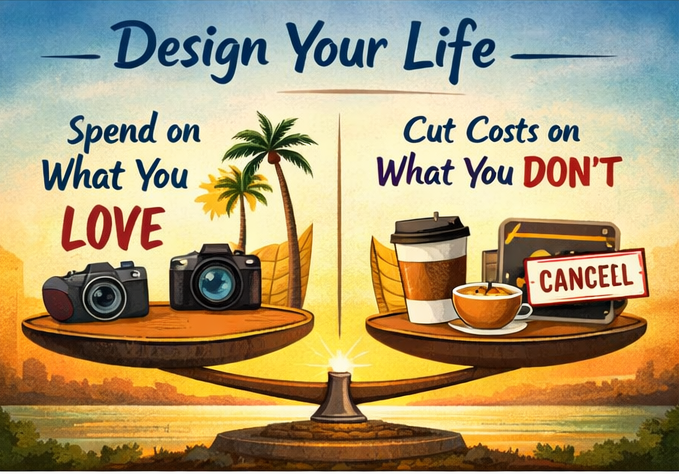
- Spending generously on what you value most
- Cutting costs mercilessly on things that don’t matter
- Avoiding mindless consumption driven by habits or social pressure
For example, if travel brings you joy, you might choose to allocate more money toward experiences while minimizing expenses in other areas like dining out or subscriptions. It’s not about doing less—it’s about doing what matters more.
The Power of Opportunity Cost
Every dollar has potential. When you spend money today, you’re also giving up the future value that money could have generated if invested. This concept, known as opportunity cost, is central to the “Afford Anything” philosophy.
Understanding this doesn’t mean you stop spending—it means you spend with awareness. You begin to see money not just as currency, but as a tool that can either enhance your present or build your future.
Breaking Free from Default Living
Many people follow a “default path”—spend what they earn, upgrade their lifestyle over time, and hope things work out. But this often leads to financial stress and limited freedom.
The “Afford Anything” mindset challenges this pattern. It encourages you to question assumptions:
- Do you need a bigger house, or just better use of your space?
- Are you working more to earn, or spending more because you earn?
- Is your lifestyle aligned with your values, or influenced by others?
By asking these questions, you move from autopilot to intentional living.
Financial Independence as the Goal
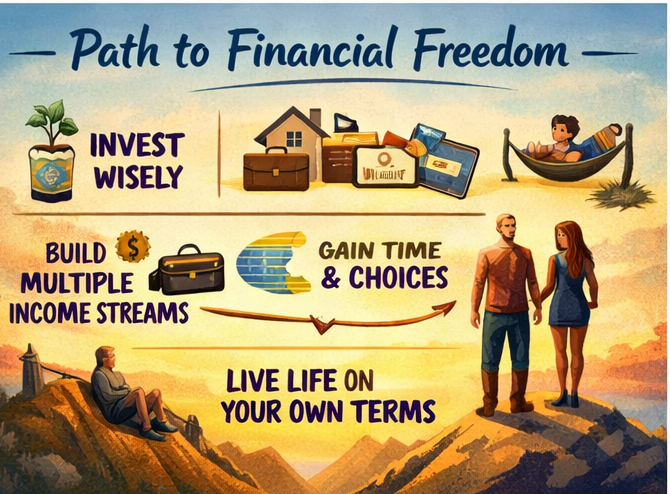
Ultimately, the philosophy points toward financial independence—the ability to live life on your own terms without being dependent on a paycheck.
This doesn’t necessarily mean retiring early. It means having options:
- The option to change careers
- The option to take a break
- The option to pursue passion projects
- The option to say no
Financial independence is about freedom, not just wealth.
Small Choices, Big Impact
You don’t need drastic changes to start applying this mindset. Small, consistent decisions can create significant long-term impact:
- Automate savings and investments
- Review recurring expenses
- Prioritize meaningful spending
- Avoid impulsive purchases
Over time, these habits compound—not just financially, but in how you think and feel about money.
Final Thoughts
“Afford Anything” is more than a financial strategy—it’s a philosophy for living intentionally. It reminds us that money is not the goal, but a tool. A tool that, when used wisely, can help us build a life filled with purpose, freedom, and fulfillment.
You don’t need to afford everything.
You just need to afford what matters most.